Remember 2013? The year of Google Glass? It was a time of awkward tech, privacy panics, and the unfortunate term “glasshole.” To many, it felt like smart glasses had been and gone, a brief and slightly embarrassing experiment in wearable tech. But look forward, just a few short years, to 2026. Experts and early adopters alike are sensing a shift, a powerful resurgence in a technology once written off.
The landscape is different now. The bulky, intrusive designs of the past are being replaced by sleek, powerful, and discreet alternatives. The concerns about privacy, while still valid, are being addressed with innovative solutions. Most importantly, the why has changed. Smart glasses are moving beyond simple notification alerts and basic applications to offer genuinely valuable, life-enhancing experiences.
Let’s explore the driving forces behind this unlikely comeback, examining the technological advancements, compelling use cases, and the brands leading the charge.
From Notification Overload to Seamless Integration: The Evolution of Use Cases
One of the biggest limitations of early smart glasses was their limited functionality. They felt like a watered-down version of our smartphones, tethered to our pockets and offering little more than a constant stream of distracting notifications.
The new generation of smart glasses, however, is focused on contextual augmentation. They aim to seamlessly integrate digital information into our physical world, enhancing our reality rather than distracting from it.
- Hands-Free Productivity: For professionals in fields like manufacturing, healthcare, and logistics, the ability to access diagrams, step-by-step instructions, or vital patient information while keeping their hands free is invaluable. Smart glasses are transforming workflows, improving efficiency, and reducing errors.
- Enhanced Navigation and Exploration: Imagine walking through a new city and having turn-by-turn directions, historical information about landmarks, or restaurant reviews subtly overlaid onto your vision. Smart glasses can make navigation intuitive and exploration more immersive.
- Immersive Learning and Training: From complex surgical procedures to dangerous industrial environments, smart glasses offer a powerful tool for immersive training. Trainees can practice in a safe and controlled virtual environment, accelerating learning and reducing risks.
- Real-Time Translation and Communication: Breaking down language barriers becomes effortless with real-time translation displayed directly in your field of view. Smart glasses can facilitate communication across cultures, opening up new possibilities for travel, business, and connection.
- Personalized Entertainment and Gaming: While not the primary focus, the potential for augmented reality gaming and immersive entertainment experiences is undeniable. Smart glasses can transform your living room into a game arena or offer a personalized cinema experience on the go.
The Landscape of Innovation: A Deep Dive into Key Brands and Glasses
The rebirth of smart glasses is not a solo effort; it’s a dynamic ecosystem fueled by competition and innovation. Let’s explore some of the key players shaping the future:
- Vuzix: A pioneer in the field, Vuzix has been consistently pushing the boundaries of smart glasses technology. Their focus on the enterprise market has led to rugged, powerful solutions like the Vuzix Blade 2, which offers a vibrant display, hands-free voice control, and seamless integration with industrial software.
- Magic Leap: After a rocky start, Magic Leap is making waves in the high-end AR market. The Magic Leap 2 is designed for complex, demanding applications, offering an impressive field of view and powerful spatial computing capabilities. It’s targeting industries where high-fidelity AR is crucial, such as healthcare, design, and defense.
- Iristick: Specializing in rugged smart glasses for challenging industrial environments, Iristick is proving that wearables can withstand tough conditions. Their glasses, like the Iristick.G2, are built to be robust, offering clear displays, voice control, and easy integration with specialized software.
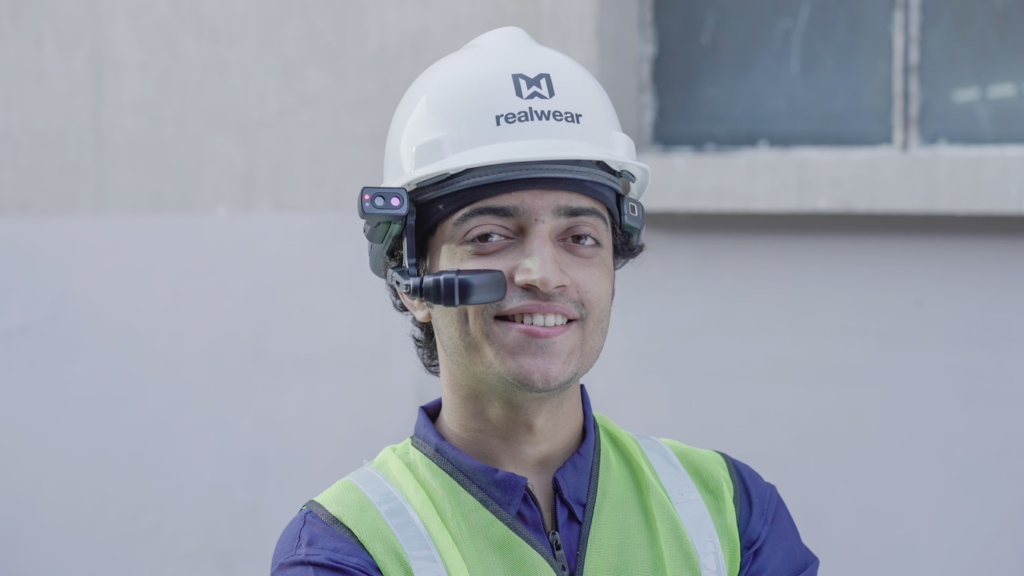
- RealWear: Another strong player in the enterprise sector, RealWear focuses on ruggedized solutions for frontline workers. Their Navigator 520 is a notable example, offering a compact, head-mounted computer with a built-in display and advanced voice recognition.
- TCL: Known for its consumer electronics, TCL is making a significant push into the accessible smart glasses market. The TCL NXTWEAR S glasses are designed for personal entertainment, offering a portable cinema experience that overlays a virtual screen onto your vision.
- The Powerhouse Collaboration: Meta & Ray-Ban: The partnership between Meta and Ray-Ban has been a game-changer. The Ray-Ban Meta Smart Glasses combine classic style with subtle tech integration, focusing on capturing photos and videos, making calls, and listening to music. They represent a significant step towards bringing smart glasses to the mainstream.
- The Elephant in the Room: Apple Vision Pro: While technically not “glasses,” the Apple Vision Pro is a formidable force in the broader AR/VR market. Its potential impact on the smart glasses ecosystem cannot be ignored, as it showcases the possibilities of spatial computing and high-end AR experiences.
- Xreal: Focused on consumer AR, Xreal is making waves with its lightweight and affordable smart glasses. The Xreal Air 2 offers an impressive display, low latency, and is compatible with a wide range of devices, making AR accessible to a broader audience.
- Rokid: Similar to Xreal, Rokid offers a range of consumer-focused smart glasses that prioritize portability and ease of use. The Rokid Max provides a high-quality display and supports various applications, from gaming to movie watching.
These are just a few examples of the diverse and dynamic landscape of smart glasses. Each brand brings a unique perspective and set of innovations, contributing to the overall growth and potential of the market.
Looking Ahead: Forecasts and the Road to Mass Adoption
The resurgence of smart glasses isn’t just a fleeting trend; it’s backed by bullish market forecasts and growing investor interest. Market research firms are predicting significant growth in the coming years, driven by several key factors:
- Technological Convergence: Advancements in battery technology, display quality, and processor power are making smaller, more powerful, and more comfortable smart glasses possible.
- Ecosystem Development: A growing developer community is creating compelling applications and software that leverage the unique capabilities of smart glasses, from productivity tools to interactive experiences.
- Consumer Acceptance: As smart glasses become sleeker and more integrated, consumer resistance is expected to decrease, paving the way for wider adoption.
The Ripple Effect: Industry Impact of Smart Glasses
The adoption of smart glasses will have a profound impact across various industries, creating a ripple effect of innovation and efficiency:
- Healthcare: Smart glasses will revolutionize surgical procedures, remote patient monitoring, and medical training. Doctors can access real-time data and expert consultations, while patients can benefit from more personalized care.
- Manufacturing: Smart glasses will optimize assembly processes, reduce errors, and improve safety in manufacturing plants. Workers will have access to real-time instructions and quality control checks, enhancing productivity and quality.
- Logistics: Smart glasses will streamline warehouse operations, improve picking accuracy, and enhance delivery efficiency. Workers will have hands-free access to order information and navigation, accelerating workflows and reducing costs.
- Retail: Smart glasses will create personalized shopping experiences, offer virtual try-ons, and provide product information on the go. Retailers can leverage AR to engage customers and drive sales.
- Field Service: Smart glasses will enable remote expert assistance, improve diagnostics, and streamline repair processes for field technicians. Technicians can access technical manuals, schematics, and live support, reducing downtime and enhancing service quality.
The Indirect Catalyst for Mass Adoption: Industry-Led Innovation
While consumer adoption of smart glasses might be a gradual process, the immediate and tangible benefits for industries will be the primary driver of the technology’s initial growth, mixed with remote assistance software, such us Remote eye. As companies across various sectors embrace smart glasses to solve real-world problems and improve efficiency, they will naturally create a more robust ecosystem, lower costs, and fuel further technological advancements.
Prepare to see the world differently.